

How to Make Wine at Home: A Complete Guide to the Process and Required Equipment
Making wine at home is a traditional practice that combines simple ingredients with the right equipment and a controlled fermentation process. Whether you are starting out as a hobbyist or exploring small-scale production, understanding the basic steps of winemaking and using appropriate materials is essential to achieve a stable and flavourful result.
This guide explains how to make wine at home and what equipment is required for each stage of the process.
What You Need to Make Wine
Before starting, it is important to gather all the necessary wine making equipment. Using suitable materials ensures proper fermentation, hygiene, and product safety.
Essential Wine Making Equipment
- Fermentation container or food-grade tank
- Airlock (fermentation lock)
- Glass demijohn or carboy
- Siphon tube for racking
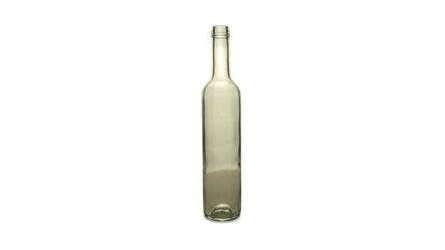
- Wine bottles
- Corks
- Corking machine
- Funnel
- Food-grade sanitiser
Basic Ingredients for Homemade Wine
The main ingredients required are:
- Fresh grapes or grape juice
- Sugar (if required)
- Wine yeast
- Clean water
The quality of the grapes directly affects the final taste and aroma of the wine.
Step 1: Preparing the Grapes
Start by washing and crushing the grapes to extract the juice, also known as must. This can be done manually or with a grape crusher if available.
Place the crushed grapes into a fermentation container, ensuring it is clean and sanitised.
Step 2: Primary Fermentation
Add wine yeast to the must to start fermentation. The yeast will convert sugars into alcohol over several days.
Cover the container and install an airlock to:
- Allow gases to escape
- Prevent oxygen and contaminants from entering
Primary fermentation usually lasts between 5 to 10 days.
Step 3: Racking the Wine
Once primary fermentation slows down, transfer the liquid into a glass demijohn using a siphon tube. This process, known as racking, separates the wine from sediment.
Attach an airlock again and allow secondary fermentation to continue.
Step 4: Secondary Fermentation and Maturation
Store the demijohn in a cool, dark place. This stage can last several weeks or even months depending on the desired flavour profile.
During this time, remaining sugars are converted, and the wine becomes clearer and more stable.
Step 5: Bottling the Wine
When fermentation is complete and the wine is clear:
- Transfer the wine into clean glass bottles using a siphon.
- Insert corks using a corking machine.
- Store bottles horizontally in a cool environment.
Proper wine bottling ensures long-term preservation and prevents oxidation.
Storage and Aging
Wine can be consumed shortly after bottling, but aging improves flavour and complexity.
Store bottles:
- In a dark place
- At stable temperatures
- Away from direct sunlight
Aging can last from a few months to several years.
Final Thoughts
Making wine at home is a rewarding process that requires patience, hygiene, and the right equipment. From fermentation containers to corking machines, using proper wine making materials ensures a safer process and a better final product.
With the correct wine making equipment and attention to each step, producing quality homemade wine is both achievable and enjoyable.