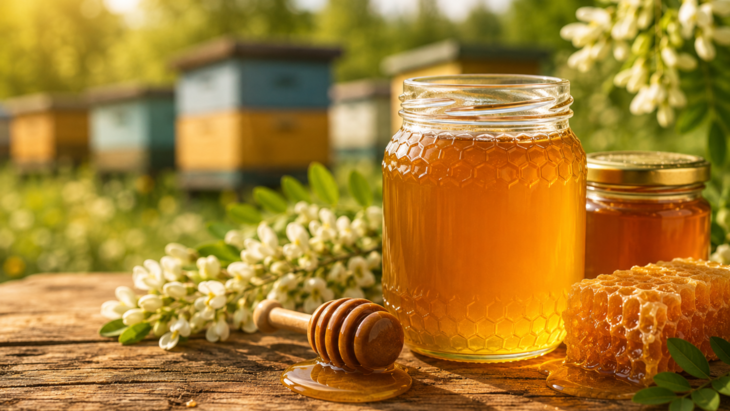


Making Mead at Home: Essential Equipment and Materials for Hidromel Production
Mead, known as hidromel, is one of the oldest alcoholic beverages in the world. Made primarily from honey, water, and yeast, this traditional drink has been produced for thousands of years and remains popular among home brewers and artisanal producers.
Although the ingredients are simple, producing high-quality mead requires the right equipment, proper fermentation conditions, and careful bottling. Using appropriate tools helps maintain hygiene, control fermentation, and produce a stable and flavourful final product.
What Is Mead (Hidromel)?
Mead is a fermented beverage made from honey, water, and yeast. During fermentation, yeast converts the natural sugars in honey into alcohol, creating a drink that can range from light and floral to rich and complex.
Many mead makers also experiment with additional ingredients such as fruits, spices, or herbs to create different styles of mead.
- Fruit mead (Melomel)
- Spiced mead (Metheglin)
- Herbal or botanical variations
Essential Ingredients for Mead
Honey
Honey is the key ingredient and has the greatest influence on the flavour of the final drink. Different floral sources can produce significantly different taste profiles.
- Wildflower honey
- Orange blossom honey
- Forest honey
- Heather honey
High-quality honey generally produces better mead with more complex aromas.
Water
Clean water is essential. Many home brewers prefer filtered or spring water to avoid chlorine and other elements that may affect fermentation.
Yeast
Wine yeast or specialised mead yeast is recommended because it tolerates higher alcohol levels and produces cleaner fermentation.
- Wine yeast
- Champagne yeast
- Specialised mead yeast
Equipment Needed to Make Mead
Producing mead requires several basic fermentation tools. Most of this equipment can be reused for many batches.
Fermentation Vessel
The fermentation container is where the honey mixture, called the must, ferments.
- Glass demijohns
- Glass carboys
- Food-grade fermentation buckets
The container must allow some headspace for fermentation activity.
Airlock and Fermentation Stopper
An airlock allows carbon dioxide to escape while preventing oxygen and contaminants from entering the fermenter. This simple device protects the fermentation process.
Hydrometer
A hydrometer measures sugar density and helps determine the potential alcohol content and fermentation progress.
Siphon or Racking Tube
A siphon tube allows the mead to be transferred between containers while leaving sediment behind. This process is known as racking.
Sanitising Equipment
Proper hygiene is essential when producing fermented beverages. All tools and containers should be sanitised before use.
Bottling Equipment for Mead
Garrafas de Vidro
Glass bottles are ideal for storing mead and allow long-term aging.
- Wine bottles
- Decorative glass bottles
- Swing-top bottles
Corks or Bottle Caps
Depending on the bottle type, mead can be sealed using corks or caps to prevent oxidation and preserve flavour.
Corking Machine
A corking machine allows corks to be inserted securely into bottles, ensuring a proper seal for storage.
Optional Equipment for Better Results
Thermometer
Temperature plays an important role in fermentation. Monitoring temperature helps maintain yeast health and fermentation stability.
Brewing Spoon
A long brewing spoon is useful for mixing honey and water during the preparation of the must.
Clarifying Agents or Filters
These tools can help improve clarity before bottling, especially when producing mead for longer aging.
Basic Steps for Making Mead
- Mix honey and water to create the must.
- Add yeast to start fermentation.
- Allow fermentation to proceed for several weeks.
- Rack the mead to remove sediment.
- Allow the mead to age and clarify.
- Bottle and seal the finished mead.
Final Thoughts
Making mead at home is a rewarding process that combines tradition with modern fermentation techniques. With the right materials, fermentation equipment, and bottling supplies, anyone can start producing hidromel at home.
Quality ingredients, proper sanitation, and suitable equipment are the foundation for producing a mead that is stable, aromatic, and enjoyable to drink.